
Last updated October 30, 2026
 Wrought iron
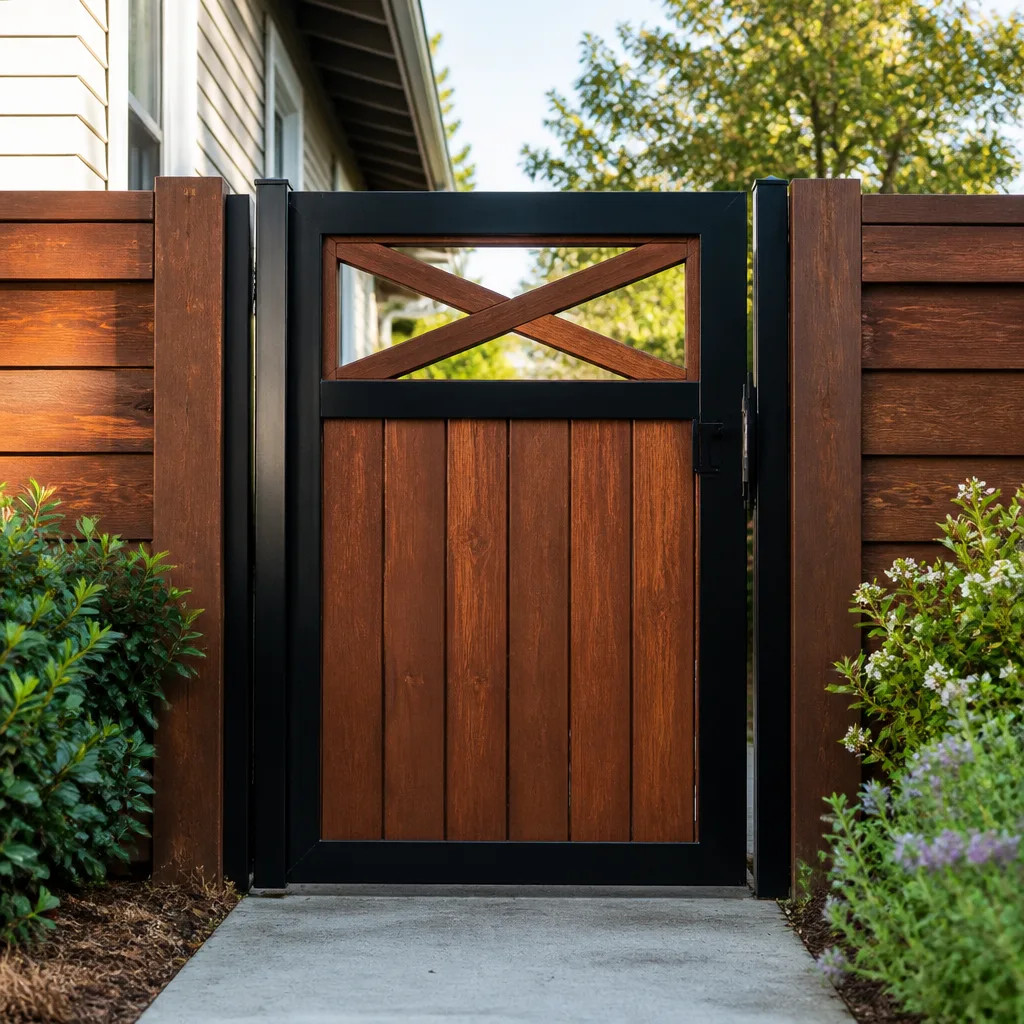 Wood & steel frame
 Farm & ranch
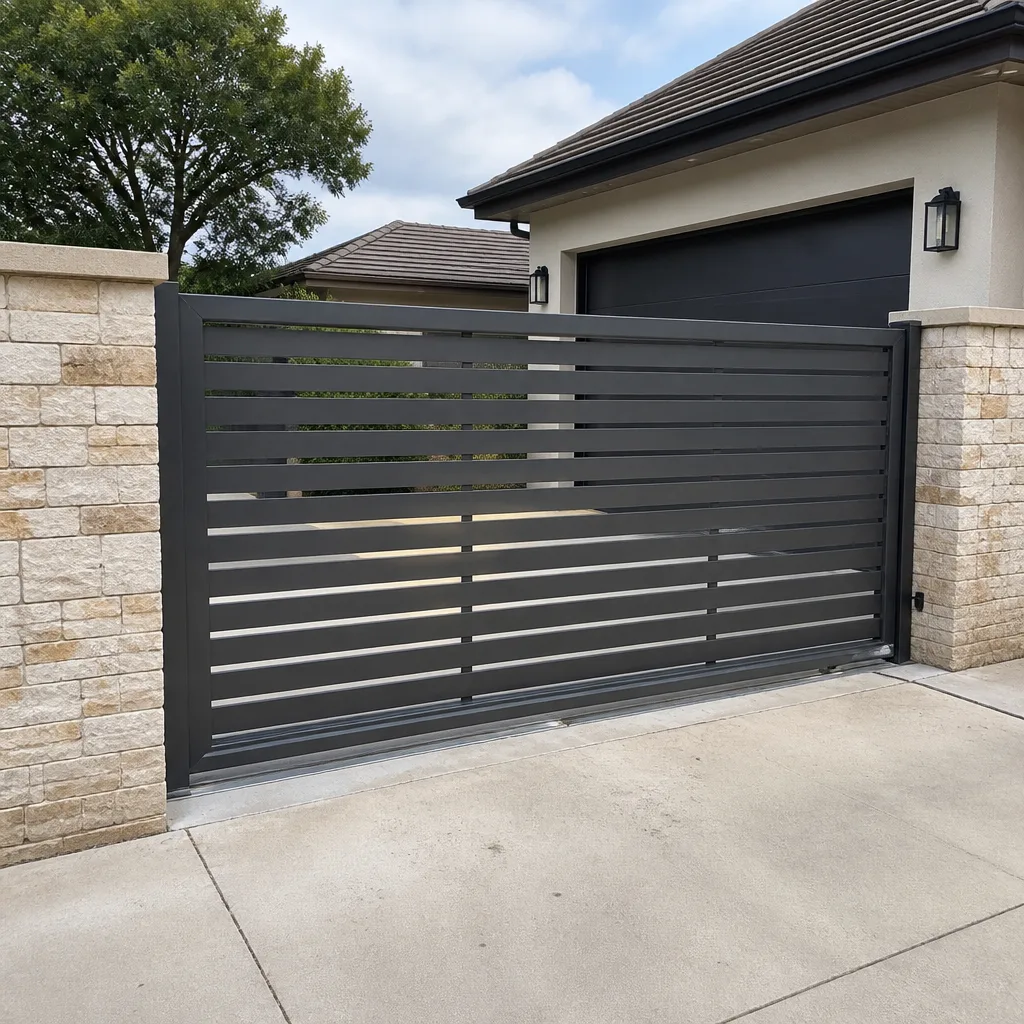 Sliding driveway gates
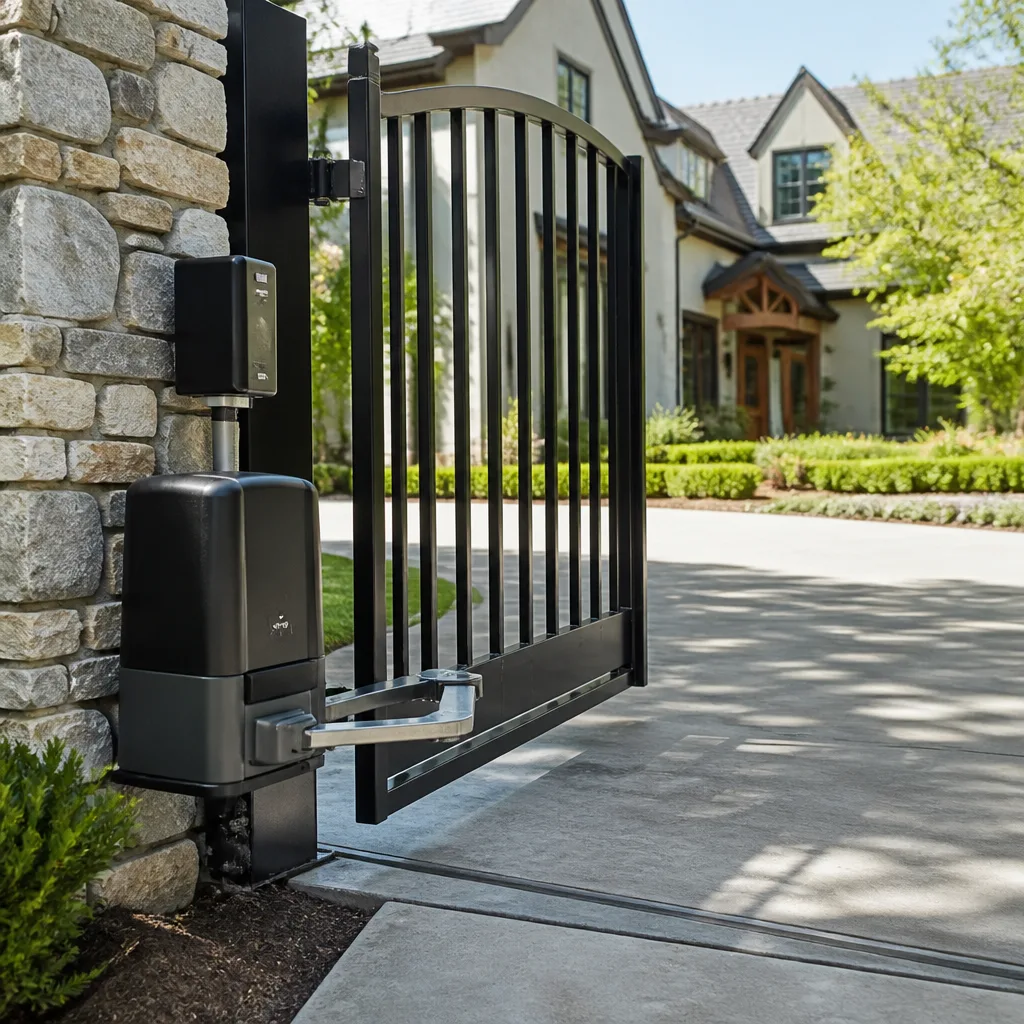 LiftMaster operators
Free on-site gate assessment - hinges, posts, and your LiftMaster or Nice gate operator checked before anything is quoted
The assessment is free and the quote is the invoice.
Get your free estimateGate Repair Emergency Preparedness Guide for Fontana Homes
Every automated gate has a manual release, but roughly 40% of Fontana homeowners either don’t know where theirs is, have never tested it, or discover it’s corroded shut the first time they actually need it. That discovery usually happens at midnight in the rain, with a car trapped inside the driveway and an early shift waiting on the other side. This guide exists so that never happens to you. We’ve spent years repairing gates across Fontana, from Southridge to Hunter’s Ridge, and the calls we get at 2 AM are almost always preventable with thirty minutes of preparation. You’ll learn how to locate and test your manual release, build a gate emergency kit, prepare for Southern California Edison outages, and know exactly what to say when you call for help.
Quick Answer
Gate emergency preparedness in Fontana means knowing how to manually release your gate operator, keeping a small kit of spares (transmitter batteries, fuses, contact numbers), and testing your battery backup before outage season hits. The single most important step is locating and exercising your manual release mechanism twice a year so it works when you actually need it. If your gate fails and you can’t open it manually, call a gate specialist who offers Gate Repair services and can diagnose the operator without replacing parts unnecessarily.
Styles & brands we work with
Table of Contents
- How to Locate, Test, and Maintain Your Gate’s Manual Release
- Emergency Lockout Protocol: Opening a Gate Without Damaging It
- What to Tell a Gate Technician When You Call
- Building a Gate Emergency Kit for Your Fontana Home
- Power Outage Preparedness: SCE, Battery Backup, and Load Testing
- Brand-Specific Notes for Fontana’s Most Common Gate Operators
- Common Mistakes to Avoid
- When to Call a Professional
- Frequently Asked Questions
How to Locate, Test, and Maintain Your Gate’s Manual Release
Every automated gate operator, whether it’s a sliding gate on a track or a swing gate on hinges, includes a manual release that disengages the motor from the gate itself. This lets you push or pull the gate by hand during a power failure, motor failure, or control board malfunction. The release mechanism varies by brand, but the principle is universal: you’re mechanically separating the drive system from the gate leaf so human muscle can do the work the motor can’t.
On most Fontana residential installations, the manual release is a lever, knob, or keyed cylinder located directly on the operator housing. For slide gate operators like those from Viking and Linear, you’ll typically find a release handle on the side or top of the motor unit. Swing gate arms, common with Ghost Controls and BFT systems, often have a release pin or lever where the arm connects to the gate bracket. Some operators require a key to access the release; check whether your key hangs near the operator, inside the garage, or on a hook by the front door. If you don’t know where the key is, find it now, not during an emergency.
Testing Your Manual Release in Five Steps
- Put the operator in manual mode. Most systems have a switch or button on the control board that disables automatic operation temporarily. This prevents the motor from fighting you while you work.
- Locate the release mechanism. On slide gates, look for a T-handle, lever, or keyed lock on the operator chassis. On swing gates, check where the arm or piston attaches to the gate itself.
- Disengage the motor. Pull the lever, turn the key, or remove the pin according to your operator’s design. You should feel or hear a mechanical click as the drive disengages.
- Push the gate by hand. Move it through its full travel once or twice. It should move smoothly. If it binds, scrapes, or requires real force, you have a track, hinge, or wheel problem that will eventually overload the motor.
- Re-engage the motor. Return the release to its normal position and switch the operator back to automatic. Run one full open-and-close cycle to confirm everything reconnected properly.
Test this twice a year. In Fontana’s dry summers, metal parts don’t corrode as quickly as they do in coastal climates, but dust and grit get into release mechanisms and make them stiff. A release that hasn’t moved in three years will likely be seized when you need it. If yours is stuck, spray it with a penetrating lubricant and work it gently. If it won’t budge, call a gate technician before you’re forced to call one at midnight.
Emergency Lockout Protocol: Opening a Gate Without Damaging It
When a gate fails closed with a car behind it, the goal is simple: get the gate open without wrecking the operator, the gate structure, or yourself. The protocol below assumes you’ve already tried your remotes, keypad, and any wall button, and the gate still won’t move. Follow these steps in order.
- Check for power first. Look at the operator’s control board or any indicator lights. If nothing lights up, the problem is likely electrical, not mechanical. A tripped breaker or failed GFCI outlet is an easy fix that doesn’t require touching the gate itself.
- Cut power to the operator. Flip the breaker or disconnect switch for the gate operator before attempting a manual release. This prevents the motor from unexpectedly cycling while you’re working on the mechanism.
- Use the manual release. Follow the procedure from the previous section. On some BFT and Viking slide gate operators, the release lever requires firm, steady pressure. Don’t force anything with tools unless the manufacturer’s instructions specifically call for it.
- Move the gate slowly. Once disengaged, push the gate by hand. Move it to the fully open position and secure it so it can’t roll or swing back. A bungee cord, a block of wood, or a helper holding it in place all work.
- Leave the operator disengaged. Don’t re-engage the motor until a technician has diagnosed the fault. Running a damaged operator repeatedly can turn a $150 repair into a $900 replacement.
If the gate is mid-travel when it fails, and you can’t budge it by hand after disengaging the motor, stop. Something structural is wrong: a broken wheel, a derailed track, a bent hinge, or a gate leaf that’s twisted out of square. Forcing it will compound the damage. This is the point where you call a gate repair specialist rather than reaching for a pry bar.
What to Tell a Gate Technician When You Call
The difference between a 90-minute service call and a three-day parts wait often comes down to what you say in the first thirty seconds of the phone call. Emergency gate repair in Fontana doesn’t have to mean blind dispatch. When you call, have these four pieces of information ready.
- What the gate is doing (or not doing). “Won’t open at all” is less useful than “the motor hums for three seconds then stops” or “the gate opens six inches and reverses.” The exact symptom narrows the failure mode dramatically. Hums-but-won’t-move usually points to a capacitor, a seized gearbox, or a damaged drive chain. Opens-partway-then-reverses points to a safety sensor, a track obstruction, or a limit switch problem.
- The brand and model of your operator. Every major brand has known failure patterns. A Linear slide operator from 2012 has different common faults than a Ghost Controls swing arm installed last year. Write down the model number now and keep it near the operator or in your phone.
- What you’ve already tried. If you tested the manual release, checked the breaker, and confirmed the outlet has power, say so. It saves duplicate diagnosis and tells the technician you’re not calling about a dead remote battery.
- When the problem started and whether it has happened before. Intermittent failures that come and go with temperature or rain suggest different causes than sudden, permanent failures. Fontana’s summer heat can push marginal circuit boards over the edge, and a gate that only fails when the sun beats on the operator box for six hours is telling you something specific.
This same information helps any gate specialist prepare the right parts and tools before they roll out. It also tells an honest technician whether your problem is urgent, can wait until morning, or just needs a remote battery replaced over the phone.
Building a Gate Emergency Kit for Your Fontana Home
A gate emergency kit costs under $60 to assemble and takes twenty minutes to put together. Keep it in a labeled plastic bin in the garage, not scattered across drawers. Here’s what goes in it.
- Spare transmitter batteries. The vast majority of “my gate won’t open” calls turn out to be a dead remote. Keep the correct battery type for your remotes, and replace them annually even if they still work. Write the battery size on the kit lid.
- Spare fuses. Many gate control boards use small glass or blade fuses. Find the fuse rating printed on your control board or in the manual, and keep three spares. A power surge from a Fontana thunderstorm or an SCE fault can pop a fuse and leave your gate dead for want of a $2 part.
- Manual release key or tool. If your operator’s release requires a key or Allen wrench, keep a labeled spare in the kit. Don’t rely on the one hanging next to the operator surviving a decade of sun and neglect.
- Printed contact list. Phone numbers for your gate repair company, a general electrician, and Southern California Edison’s outage line. Don’t rely on your phone having charge or signal during a power outage. Include your gate operator’s brand and model number on this sheet.
- Basic tools. A multi-bit screwdriver, needle-nose pliers, and a flashlight with fresh batteries. That’s enough for changing a fuse, tightening a loose terminal, or working a stiff release lever.
- Bungee cords or tie-down straps. For securing the gate in the open position once you’ve disengaged the motor. A swinging gate that catches wind and slams can injure someone or damage the hinges.
Schedule a battery backup test at the same time you check your smoke detector batteries. If your gate operator has a battery backup, unplug it or kill the breaker and run the gate through five full cycles. If it slows, struggles, or stops before five cycles, the batteries are aging. Most battery backups use sealed lead-acid batteries that last three to five years in Fontana’s heat. If yours are older than that, replace them before you need them.
Power Outage Preparedness: SCE, Battery Backup, and Load Testing
Fontana sits in Southern California Edison territory, and while our outages aren’t as frequent as parts of the Inland Empire hit hard by wind events, they happen. SCE’s own data shows that circuit interruptions spike during summer peak demand and Santa Ana wind season. For a home with an automated gate, every outage raises the same question: will the gate still open when the grid goes down? Before you start any work, check our Gate Repair Permits, Codes & Inspections in CA: What You Need to Know.
The answer depends on three things: whether your operator has a battery backup at all, how old the batteries are, and whether the system was ever load-tested after installation. Many operators come from the factory without battery backup; it’s an add-on. If you don’t know whether you have one, kill the breaker feeding your gate operator and see if the gate still cycles. No movement means no backup. That’s not a defect, but it is a vulnerability you should address.
Battery Backup Sizing for Fontana Gates
The right battery capacity depends on gate type, leaf weight, and how often you cycle the gate. A single-leaf swing gate might need a pair of 7Ah batteries. A heavy slide gate covering a 20-foot driveway might need 12Ah or larger batteries, or a pair of them in parallel. The operator’s manual specifies the recommended battery size, and deviating from it either overloads the charger or under-powers the motor. Undersized batteries fail under load, meaning the gate opens on a good day and stalls on a hot day when the battery is hot, the motor is hot, and the gate track has expanded.
Load testing is the step most Fontana homeowners skip. A battery can read 13.8 volts on a multimeter and still collapse when the motor pulls current. The only real test is running the gate under battery power with the gate connected, multiple cycles, and ideally on a warm afternoon. If the gate hesitates or the operator beeps a low-battery code, replace the batteries. Properly load-tested batteries should deliver five to ten full cycles on a medium gate, which covers an average outage window for this area.
If your operator doesn’t support a battery backup, or retrofitting one isn’t practical, the fallback is the manual release covered earlier. Knowing how to open the gate by hand is the zero-cost backup plan that works in every outage, every time, on every brand.
Brand-Specific Notes for Fontana’s Most Common Gate Operators
Fontana’s housing stock is a mix of tract homes built in the 1990s and 2000s, custom homes in North Fontana and the foothills, and light commercial properties along the 210 corridor. The gate operators we see most often reflect that mix: Linear and Viking on slide gates, BFT on swing gates, and Ghost Controls on retrofitted estate and ranch gates. Each has its own failure personality.
Linear operators from the early 2000s are workhorses, but their control boards are aging out. We see failed relays and dead capacitors that prevent the motor from starting. The manual release on these units is typically a pull lever on the operator chassis, and it’s almost always stiff from lack of use. If you own a Linear, test your release quarterly.
Viking slide operators are common on larger lots and light commercial gates around Fontana. The mechanical components, chains, sprockets, and drive wheels, are robust, but the electronics are sensitive to power surges. SCE switching events and nearby lightning strikes can take out a Viking control board even when the breaker doesn’t trip. A whole-operator surge protector is cheap insurance on these.
BFT swing actuators are popular on double-leaf driveway gates in North Fontana and Etiwanda-adjacent neighborhoods. The weak points are usually the limit switches and the capacitor in the control box. The manual release on a BFT swing arm is typically a keyed release right on the actuator itself. The key is often lost, which is exactly why we tell Fontana homeowners to find it and make a copy before they need it. If you’ve lost yours, a gate specialist can source a replacement key or show you the alternate release procedure for your model.
Ghost Controls systems are newer to the market and frequently installed on kit-built gates or retrofits where a homeowner upgraded from a basic open-chain system. The kit includes a manual release pin on the gate bracket. These systems are generally reliable, but we see misadjusted force settings and poorly installed gate brackets putting strain on the operator. A gate that slams or doesn’t seat fully wears out the operator prematurely.
None of this means these brands are unreliable. It means each system has specific maintenance points, and knowing yours means you can catch failures early. Our shop works on all of them, plus several others, which means we diagnose the system you already have rather than steering you toward a replacement you may not need. Diagnose first, replace only what’s needed.
Common Mistakes to Avoid
- Never testing the manual release until the power goes out. This is the single most common and most avoidable mistake. A release that hasn’t moved in years will seize, snap a key, or break a lever when you need it most. Test it twice a year.
- Forcing a stuck gate open with a vehicle. Pushing a stuck gate with your car, truck, or ATV bends gate leaves, breaks wheels, and damages the operator’s gearbox. Repair costs multiply. If the manual release won’t move or the gate won’t budge by hand, call a professional.
- Ignoring intermittent failures. A gate that only fails once a month, or only when it’s over 100°F, is telling you a component is on its way out. Fontana’s summer heat accelerates control board failures. Address the warning signs in the spring, not after the gate strands you in August.
- Replacing batteries without load-testing first. Fresh batteries that are undersized for your gate will fail the same way the old ones did. Match the battery to the operator’s manual and run a proper load test before you declare the backup functional.
- Losing the manual release key. Keyed release mechanisms on BFT and some Viking units are useless without the key. Find yours, make a copy, and store it in your gate emergency kit.
- Calling a general handyman for control board faults. Gate control boards are low-voltage electronics with brand-specific wiring and programming. A generalist can change a battery and tighten a hinge, but a failed control board or a motor drive fault needs a technician who works on gates every day. The estate gate repair side of the trade involves circuit-level diagnosis that most general contractors decline.
When to Call a Professional
Some gate problems are DIY-friendly. A dead remote battery, a tripped breaker, a blocked safety sensor: those you can handle with this guide and ten minutes of patience. But several situations demand a trained gate technician. If the operator hums but won’t move, the control board shows burned components or a blown fuse that keeps blowing, the gate is visibly derailed or tilted, or you’ve disengaged the motor and still can’t move the gate by hand, stop diagnosing and make the call. High-tension components like torsion springs on some swing gate systems and heavy slide gates carry real injury risk. Don’t improvise a repair on a gate that outweighs you.
Estate Gate Repair works on the brand you already have, from the motor to the control board. We’re gate-only specialists, which means the diagnostic time is shorter and the parts are more likely to be on the truck. For Fontana homeowners, gate repair calls start with a free estimate. Call (866) 893-2220 any time, and have the four pieces of information from this guide ready.
Frequently Asked Questions
Locate the manual release on your gate operator, cut power at the breaker, disengage the release lever or key, then push the gate open by hand. The release is usually on the operator chassis for slide gates or at the gate bracket for swing arms. If you test this procedure now, you’ll know it works when the power dies.
Dead remote batteries are the most common cause, followed by tripped breakers or GFCI outlets and blocked safety sensors. Check all three before calling for service. If the motor hums but the gate doesn’t move, you’re looking at a capacitor, gearbox, or drive chain problem that needs a technician.
Emergency gate repair in Fontana typically ranges from $150 to $400 for common failures like capacitors, limit switches, and fuse replacements, while control board replacements run $350 to $900 depending on the brand. Rates vary by operator type, parts availability, and time of day. Call (866) 893-2220 for an exact quote, estimates are free.
If you want the gate to work during an SCE outage, yes. Without a battery backup, your gate is dead whenever the grid goes down. Operators that support battery backup need correctly sized batteries and periodic load testing. If a backup isn’t practical, master the manual release instead.
Most gate operator failures are repairable, including capacitors, control boards, limit switches, and drive components. Replacement is only necessary when the operator is obsolete, the gearbox is severely worn, or the cost of repairs approaches the cost of new equipment. We diagnose first and replace only what’s needed.
We service equipment from nine major gate automation manufacturers, including LiftMaster, FAAC, BFT, Linear, Viking, Ghost Controls, DoorKing, Elite, and Mighty Mule. Brand-agnostic diagnostics mean we work on the system already installed at your Fontana property rather than steering you toward a single product line. Electric gate repair on any of these brands starts with a call to (866) 893-2220.
The Bottom Line
Gate failures are unpleasant but predictable. The homeowners who handle them well are the ones who located their manual release before they needed it, tested their battery backup under load, kept a small kit of fuses and transmitter batteries in the garage, and wrote down their operator’s brand and model number. None of that takes more than an afternoon. Fontana’s climate, with its summer heat and occasional storm-driven outages, makes preparation more than a nice-to-have for anyone relying on an automated gate. And when the failure is beyond a fuse or a battery, having the number of a gate specialist who works on your brand already in your phone turns a crisis into a scheduled repair. Your gate, our specialty.
Written by the team at Estate Gate Repair, serving Fontana since 2015.
See the difference
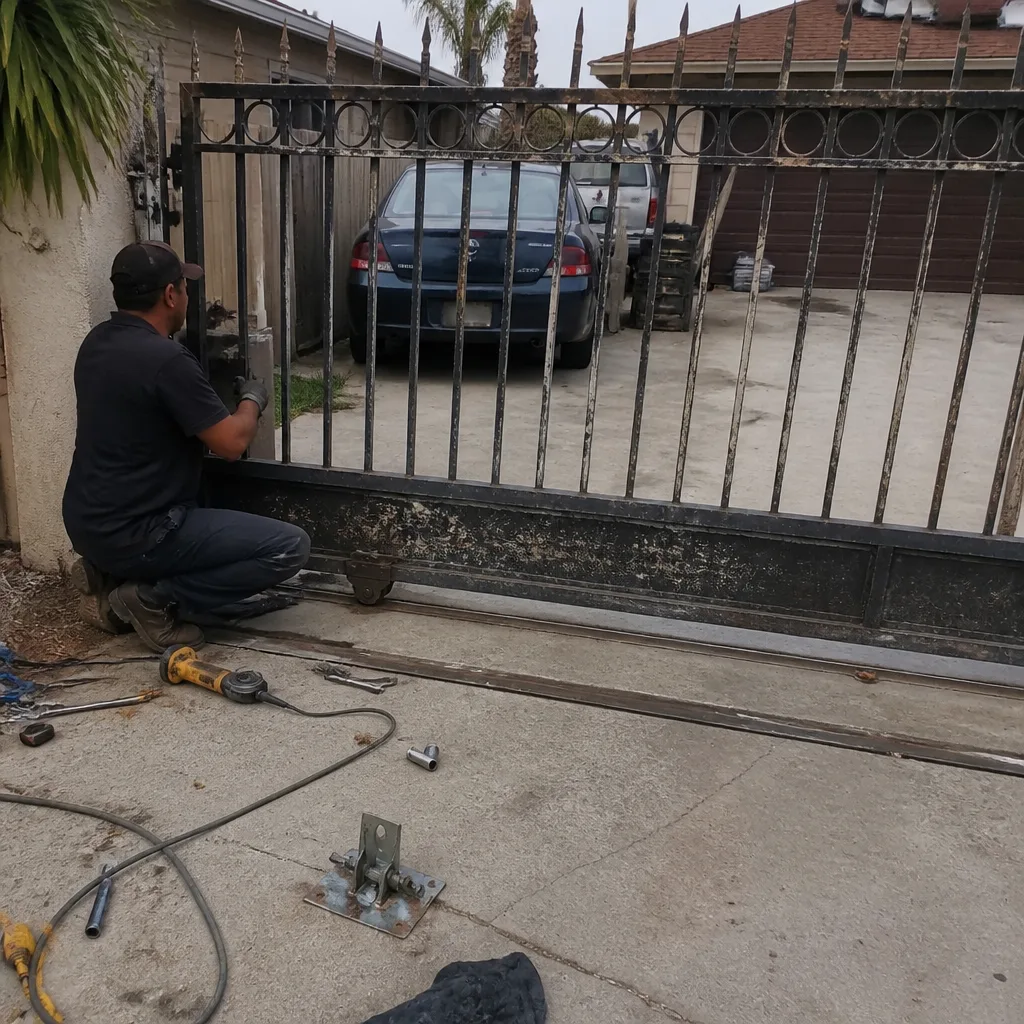 Before
 After
 Before
 After
 Before
 After